

Buying or Selling Near Porter Valley and Knollwood Country Clubs: What 45 Years Taught Me
There are some parts of the San Fernando Valley that simply have a different feel.
The neighborhoods surrounding Porter Valley Country Club and Knollwood Country Club are two good examples.
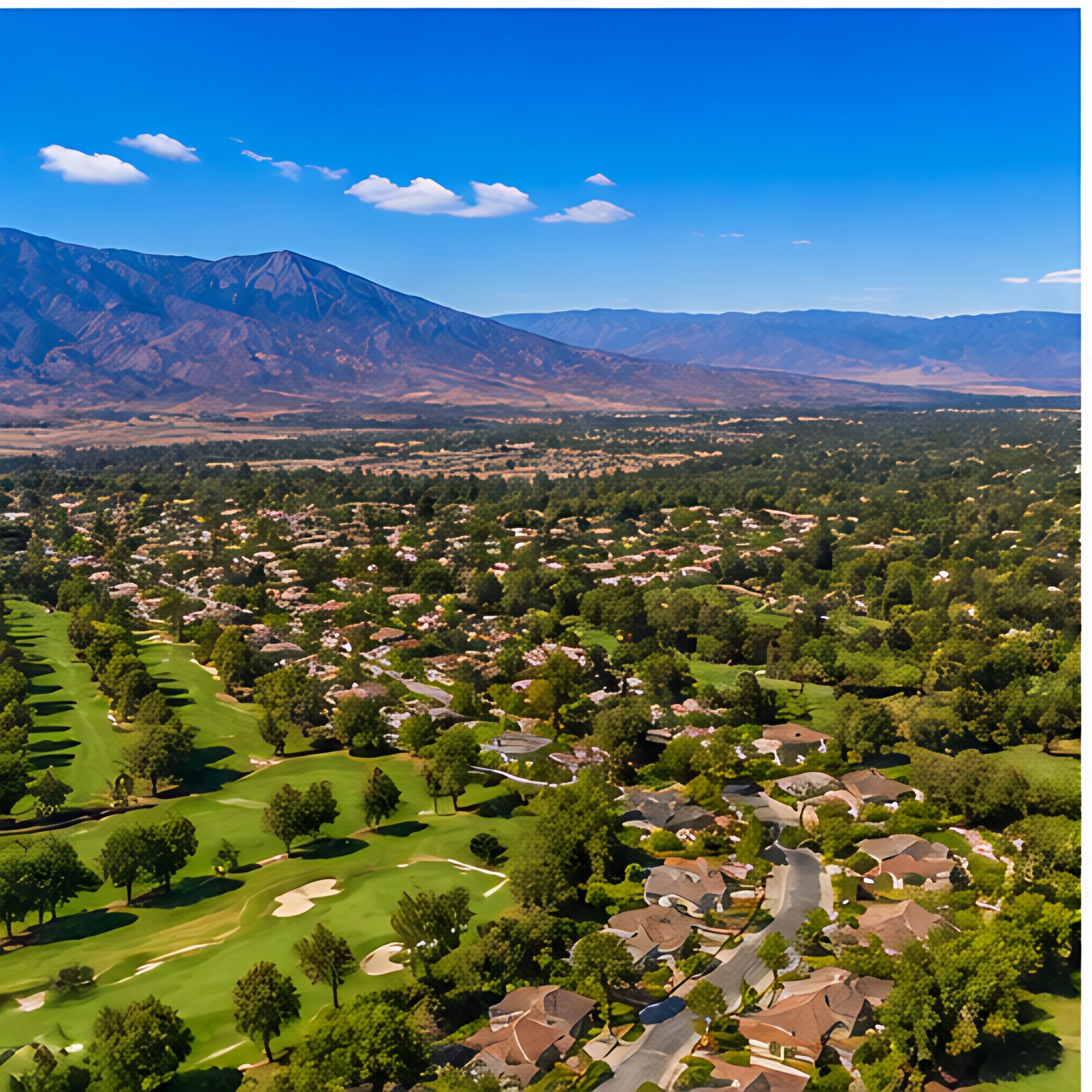
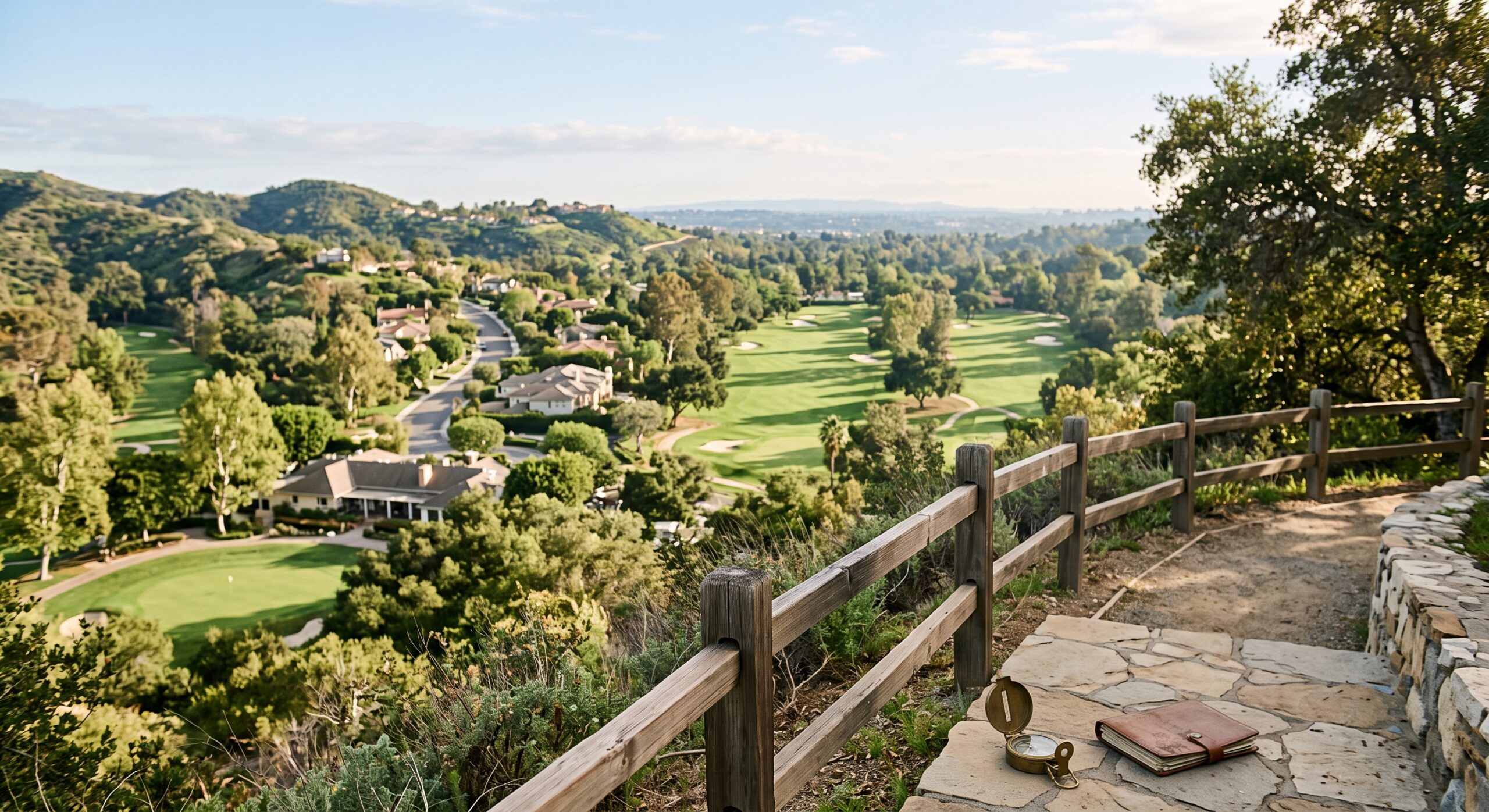
For decades, these communities have attracted homeowners who appreciate golf, open space, mature neighborhoods, mountain views, and the quieter residential character found in parts of the northern San Fernando Valley.
Porter Valley Country Club was established in the late 1960s and sits beneath the Santa Susana Mountains in Northridge. Today, the private club offers golf along with tennis, pickleball, swimming, fitness, dining, and other amenities.
Knollwood Country Club, located in Granada Hills, has an even longer history. Its 18-hole course dates back to 1956 and remains a recognizable part of the local community.
I’ve spent 45 years watching the Valley change, and one thing has remained consistent:
When you’re buying or selling a home near these golf courses, the details matter.
A house isn’t just a house. Its exact location, lot, views, street, condition, improvements, and relationship to the surrounding neighborhood can all affect how buyers perceive it.
The Golf Course Is Part of the Story — But Not the Whole Story
One of the first things buyers notice about these neighborhoods is proximity to the golf course.
That’s understandable.
Golf-course-adjacent properties can offer a sense of openness that isn’t available on many other residential streets. Depending on the location, homeowners may also enjoy views, mature landscaping, and a feeling of separation from surrounding development.
But living near a golf course isn’t automatically better for every buyer.
Some people love the activity and views.
Others may be concerned about golf balls, maintenance activity, early-morning activity, or simply being closer to a larger recreational property.
That’s why I always encourage buyers to spend time at the property rather than making a decision based solely on photographs.
Visit at different times of day.
Listen.
Look beyond the backyard.
Pay attention to what is happening on the course and on the surrounding streets.
After enough years in real estate, you learn that what looks like a selling point to one buyer can be a concern for another.
Location Within the Neighborhood Matters
Saying a property is “near Porter Valley” or “near Knollwood” doesn’t tell you everything you need to know.
A few streets can make a meaningful difference.
One property may have a direct golf-course view while another simply happens to be a few blocks away.
One street may feel tucked away and quiet while another has more traffic.
One property may have a larger lot, while another may have a more recently remodeled interior.
This is why broad neighborhood labels are useful for starting your search but aren’t enough for determining a home’s value.
When I evaluate a property, I want to understand the specific location, not just the neighborhood name.
What Buyers Should Look For
If you’re buying near Porter Valley or Knollwood, don’t focus only on the number of bedrooms and bathrooms.
Look at the entire property.
Pay attention to the lot
Lot size, shape, privacy, landscaping, and usable outdoor space can make a significant difference.
Two homes with similar square footage can have very different appeal if one has a more functional yard, better orientation, or greater privacy.
Look carefully at the views
A golf-course view, mountain view, or open-space view can add significant appeal.
But don’t assume every “view” has the same value.
The quality, permanence, direction, and privacy of the view matter.
A wide-open view is different from looking directly into another backyard.
Consider the home’s orientation
Sun exposure can affect how comfortable a home feels throughout the day.
The direction of the backyard, placement of windows, outdoor living areas, and landscaping can all influence how a property lives.
Study the surrounding streets
Don’t just walk through the house.
Walk or drive around the neighborhood.
Look at neighboring properties, street conditions, traffic, landscaping, and nearby development.
A great home on a street that doesn’t fit your lifestyle may not be the right purchase.
Older Homes Can Have Hidden Advantages
Many homes in these established areas were built decades ago.
That can sound like a negative to buyers accustomed to newer construction, but I wouldn’t look at it that way.
Older homes can offer characteristics that are difficult to replicate today.
Think larger lots, mature trees, established landscaping, unique floor plans, and architectural details that give a home personality.
Of course, age also means you need to pay attention to maintenance.
Depending on the property, buyers may want to investigate the roof, plumbing, electrical systems, HVAC, windows, foundation, drainage, and other major components.
The goal isn’t to avoid older homes.
It’s to understand what you’re buying.
Remodeling Can Change the Equation
Over the years, I’ve seen plenty of homes transformed by thoughtful remodeling.
A dated home can become highly desirable when the right improvements are made.
But not every renovation produces the same return.
When evaluating a remodeled property, look at the quality and practicality of the work rather than simply counting upgrades.
A beautifully remodeled kitchen is great.
But buyers should also ask:
- Were permits obtained when required?
- Were major systems updated?
- Was the floor plan improved?
- Is the workmanship consistent?
- Does the renovation fit the character of the property?
- Are there improvements that still need to be completed?
A home doesn’t become valuable simply because someone spent a lot of money renovating it.
The renovation needs to solve problems buyers actually care about.
Sellers: Don’t Overprice Because You’re Near a Country Club
This is one of the most important lessons I’ve learned.
Being near Porter Valley or Knollwood is a selling point, but it doesn’t automatically establish a premium price.
Buyers compare properties.
They look at condition, location, lot size, views, updates, layout, and recent comparable sales.
If your home is dated, it doesn’t become worth substantially more simply because it’s near a golf course.
On the other hand, a well-maintained home with a desirable location, attractive outdoor space, and strong views can stand out considerably.
The job of a good pricing strategy is to identify what makes your particular property different.
Sellers: First Impressions Still Matter
Even in an established neighborhood, buyers make quick judgments.
Landscaping matters.
The front entry matters.
Paint, lighting, flooring, windows, and overall maintenance can influence how buyers perceive the home before they ever reach the kitchen.
You don’t necessarily need to completely remodel a house before selling.
Sometimes the most effective improvements are simpler:
- Clean and refresh the landscaping
- Remove unnecessary clutter
- Repair obvious maintenance issues
- Improve lighting
- Touch up paint
- Clean windows
- Make outdoor spaces feel usable
- Address deferred maintenance
The goal is to make it easy for buyers to see the home’s strengths.
Don’t Ignore the Hills and Terrain
Parts of the northern San Fernando Valley have distinctive terrain.
Depending on the specific property, buyers may encounter sloped lots, hillside locations, retaining walls, drainage considerations, or different grading conditions.
These aren’t necessarily problems.
But they are things that should be understood.
A property with a beautiful elevated position can have wonderful views and privacy, while also requiring more attention to drainage, landscaping, retaining structures, or access.
That’s why inspections and property-specific due diligence are so important.
The Neighborhood’s History Matters
One of the things I appreciate about these areas is that they aren’t simply collections of houses.
They have history.
Porter Valley Country Club grew out of a larger development story in the area during the 1960s, when the land transitioned from ranching uses into a master-planned residential community. The club opened in 1967 and became Porter Valley Country Club in 1968.
Knollwood has an even longer local history, with its golf course established in 1956.
That history helps explain why these neighborhoods have the character they do today.
They aren’t brand-new developments.
They’ve evolved over generations.
What 45 Years in the Valley Has Taught Me
After decades in real estate, I’ve learned that market statistics only tell part of the story.
You can look at a median sale price.
You can look at days on market.
You can compare recent sales.
All of that is useful.
But when you’re dealing with an established neighborhood, local knowledge matters too.
Knowing how a street has changed over time, which pockets buyers consistently seek out, how different property types compare, and what makes one home more desirable than another can help put the numbers into context.
That’s especially important when you’re dealing with unique properties.
A home with a large lot, golf-course exposure, mountain views, or an unusual floor plan may not have a perfect comparable nearby.
That’s when experience becomes particularly valuable.
Buying Near Porter Valley or Knollwood? Take Your Time
If you’re a buyer, don’t let a beautiful view or remodeled kitchen rush you into a decision.
Do your homework.
Look at comparable sales.
Investigate the property.
Understand the neighborhood.
Visit at different times.
Ask questions.
And think about how the home will work for you five or ten years from now.
A home purchase is a major financial decision. The goal isn’t simply to find something you like.
It’s to find something that makes sense.
Selling Near Porter Valley or Knollwood? Tell the Full Story
If you’re selling, your marketing should do more than list the home’s basic features.
It should explain why the property is special.
Is it the golf-course view?
The lot?
The privacy?
The mature landscaping?
The remodeled interior?
The proximity to recreation?
The neighborhood’s established character?
Those details help buyers understand what they’re actually purchasing.
The strongest marketing doesn’t exaggerate.
It connects the home’s real characteristics to what buyers are looking for.
The Bottom Line
Porter Valley and Knollwood aren’t just names on a map.
They’re part of the history and character of the northern San Fernando Valley.
The neighborhoods around them offer a combination of established homes, mature landscaping, recreational amenities, varied architecture, and locations that continue to attract buyers.
But after 45 years in the business, my biggest takeaway is simple:
Don’t buy or sell based on a neighborhood name alone.
Look at the individual property.
Look at the street.
Look at the lot.
Look at the condition.
Look at the view.
Look at the surrounding homes.
And look at how all of those pieces come together.
That’s where the real value is found.
If you’re considering buying or selling near Porter Valley Country Club, Knollwood Country Club, Northridge, Granada Hills, or the surrounding San Fernando Valley communities, local experience can make a meaningful difference.
After 45 years, I’ve learned that real estate isn’t just about knowing what a home is worth.
It’s about understanding why it’s worth it.